N1 will invest two billion smart kroner in the power grid – every year
28. March 2023
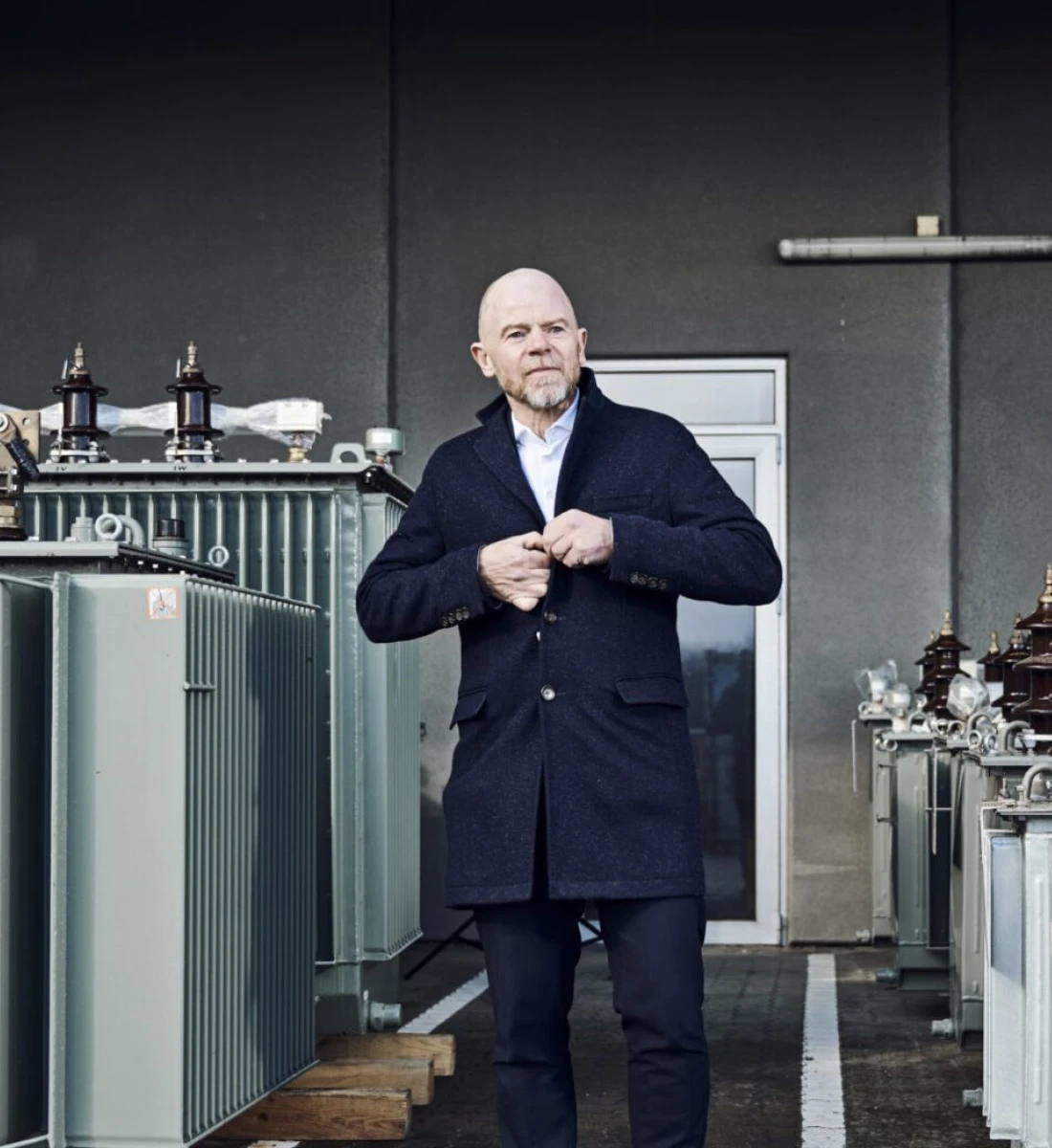
The task is enormous, and the future has already arrived. More wind turbines and solar cells as well as lots of, among other things, new heat pumps and electric cars are connected to the grid every day in society's major electrification.
The task is enormous, and the future has already arrived. More wind turbines and solar cells as well as lots of, among other things, new heat pumps and electric cars are connected to the grid every day in society's major electrification.
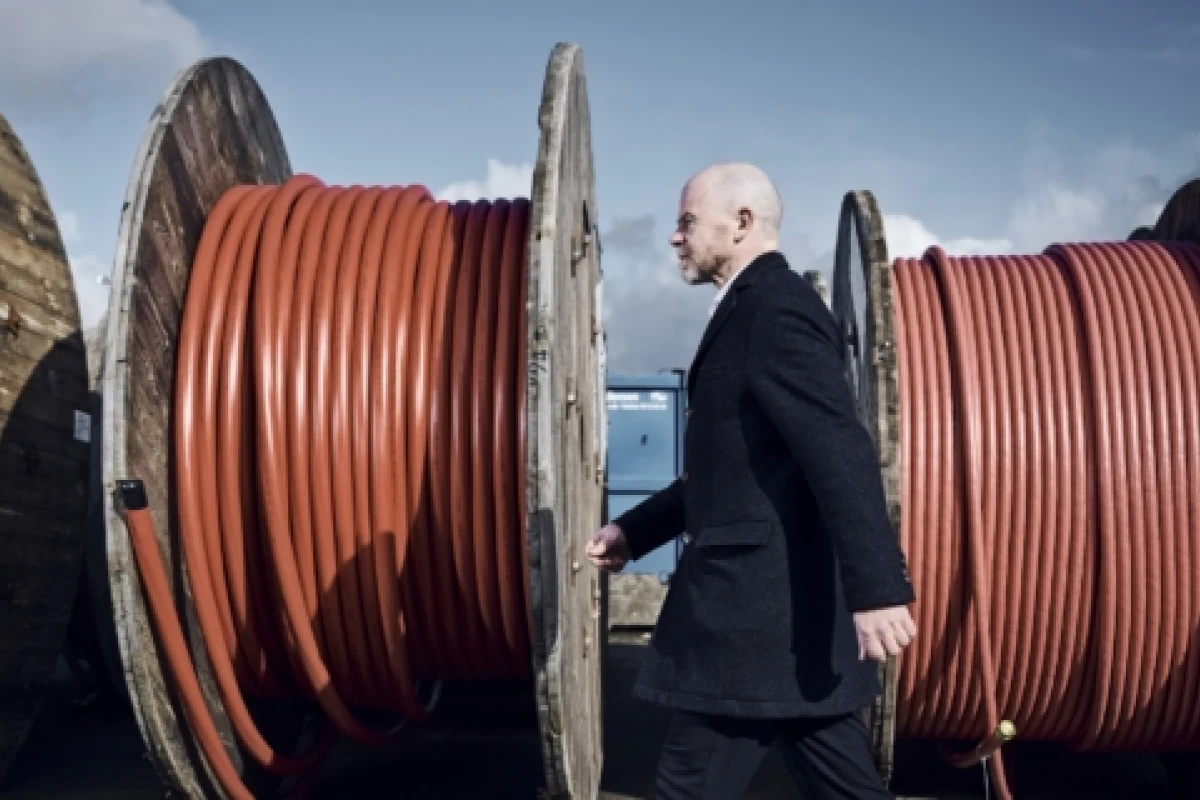
Carsten Bryder Theils is CEO of the grid company N1, which has 550 employees and supplies electricity to approx. 800,000 households and businesses. Photo: Christer Holte.
It is a huge transformation, but Jutland's largest grid company has control of its part of the task and is already investing large sums in expanding the grid.
The biggest challenge in the coming years will be to place the money wisely and correctly.
“Consumers are adjusting, power plants are adjusting production, and we constantly get a lot of new producers with wind turbines and solar cells. Here, Jutland and our area are right in the eye of the storm,” explains CEO Carsten Bryder Theils from the grid company N1, which is a subsidiary of the energy and telecom group Norlys.
The 550 employees at N1 supply electricity to approx. 800,000 households and businesses, and the company owns the power grid in a very broad belt that roughly covers the entire middle of Jutland as well as Southwest and Southern Jutland. Here, they operate the power grid from just below Energinet's large 400 KV 'highways' all the way out to the meters. Therefore, N1 faces the major task of upgrading the grid for a future where enormous amounts of fossil energy are replaced by electricity.
"Just two years ago, we invested approx. DKK 650 million annually in our grid. Already this year it will be doubled to DKK 1.3 billion, and within a few years, we will invest two billion DKK every year."
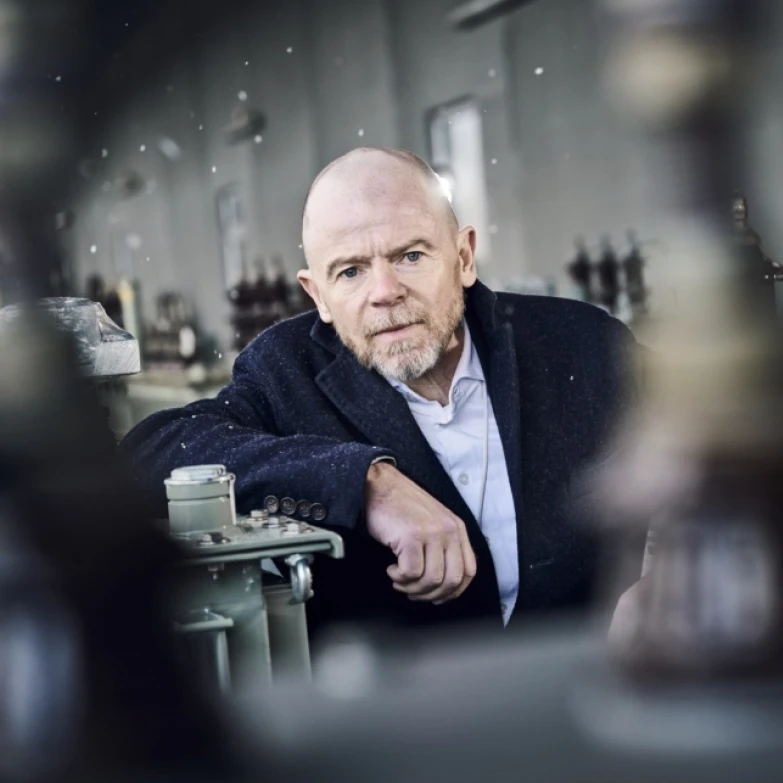
Carsten Bryder Theils
CEO, grid company N1
“Just two years ago, we invested approx. DKK 650 million annually in our grid. Already this year it will be doubled to DKK 1.3 billion, and within a few years, we will invest two billion DKK every year. And we cannot just become twice as big – it is not economically responsible, and there are not that many technicians either. Therefore, we have to do things smart – we must be very sure to expand the grid 'just in time', but on the other hand, we are also too busy to build in advance.”
A persistent myth is that we neither have enough electricity nor capacity in the grid to handle the development, for example with one million electric cars – some forecasts say 1.3 million – in 2030.
“But that is not true, and it will not be true going forward. It is true that the grid right now is not dimensioned for 2030 – and then there is a partly correct history that we are slow and bureaucratic. But we are in full swing changing both,” points out Carsten Bryder Theils.
Traditionally – and until just a few years ago – operation of the power grid was a much simpler task with a virtually static electricity consumption. But in recent years, consumption has become a steeply rising curve, and that requires a completely new mindset in the industry.
“We have not had the custom of using data, and the task may sound simple. But for example, we have processed 98 billion data points from the power grid alone, because now we really have to plan ahead. Instead of sitting aggressively waiting to get a form through the door, it is now much about being customer-oriented and getting input about what the plans are around,” elaborates the N1 director.
He himself has a background in the telecom industry and thus good experience with customer focus, digitalization, data, and infrastructure expansion. These are some of the competencies N1 will need even more of among employees and subcontractors in the future. Partly on the technical side, partly at the head office in the former Norlys group headquarters in Esbjerg.
"N1 has Esbjerg as headquarters, and we really want the area to attract highly educated data specialists and make an effort to integrate them so they put down roots here."
Carsten Bryder Theils
CEO, grid company N1
“If, for example, a smaller electrician company wants to enter the area, they must be ready to invest a lot in education. In return, we also offer longer-term contracts to those we take in. Right now, we mostly use the larger players, but we really want to have smaller, local players involved,” emphasizes Carsten Bryder Theils, who also has general recruitment in mind.
“N1 has Esbjerg as headquarters, and we really want the area to attract highly educated data specialists and make an effort to integrate them so they put down roots here. The professional environment and the possibility of cluster formation will not diminish going forward – all our business and support functions will, for example, be based in Esbjerg.”
N1's future focus on both energy and data fits perfectly with the overall investment promotion strategy at Business Esbjerg.
“We have a strong position as Denmark's Energy Metropolis, and we also work targeted on the visions of Esbjerg as a ‘Digital Hub’. Our area is well on its way to becoming a Northern European hub for digital infrastructure, which is attractive for both IT companies, development and data centers, as well as future students,” points out Mikael Kirk Simonsen, who works with investment promotion of data and IT in Business Esbjerg's investment department, and continues.
“Strong international fiber connections work well together with the area's central role in green energy – at the same time, our educational institutions are very active players in creating and attracting new data-related educations.”
"Strong international fiber connections work well together with the area's central role in green energy – at the same time, our educational institutions are very active players in creating and attracting new data-related educations."
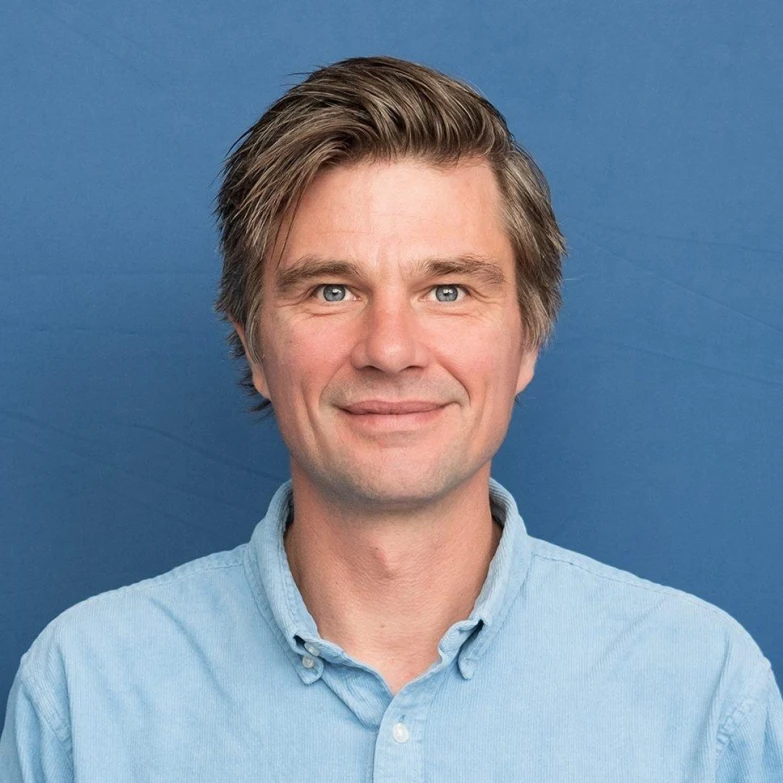
Mikael Kirk Simonsen
Business Consultant, Business Esbjerg
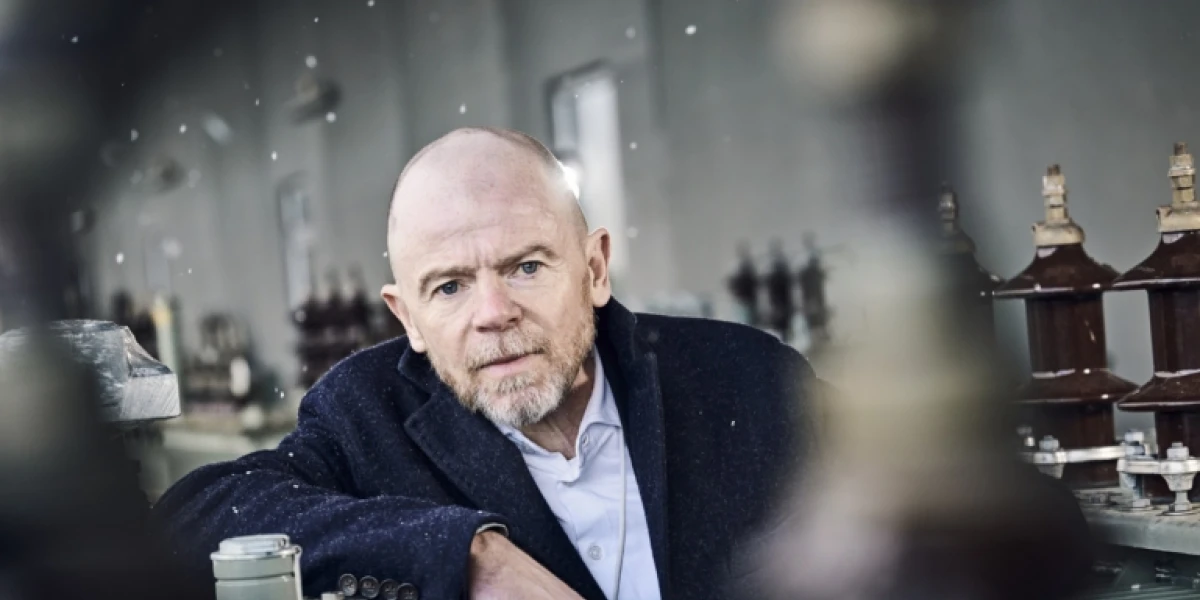
Electricity has been set to a really good development, which also matches the profile of the many large projects in the area within, among other things, Power-to-X, recycling, and data centers, which can fertilize each other – without us having to fear that they ‘steal’ electricity from each other.
“It is absolutely only an advantage with clusters, because then we and Energinet can build really strong grids. Esbjerg is a good place to manifest that, and the thoughts about a digital hub here in the area are right on target,” comes the praise from Carsten Bryder Theils.
“So it is great that Esbjerg wants to position itself on both energy and data. It is that combination that is really interesting.”, concludes Carsten Bryder Theils.
Læs mere om N1 på deres hjemmeside her