From Mover Away to Returnee: We Must Dare to Hire Newly Graduated
16. June 2025
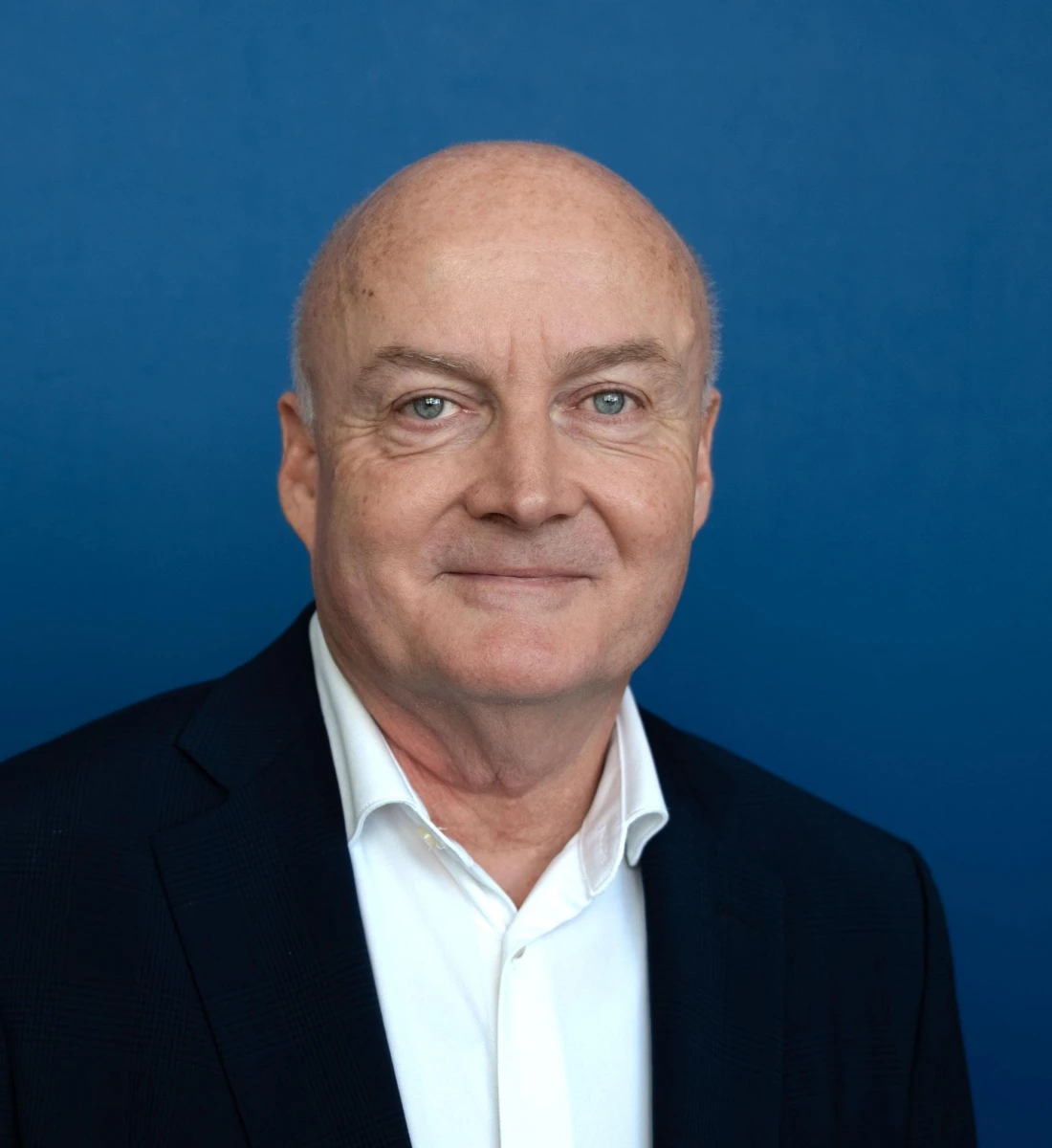
Karsten Rieder, director of Business Esbjerg, shares insights from the recently conducted Returnee Analysis, where Epinion has collected and processed knowledge about young people from Esbjerg's path back to the area after completing their education.
Karsten Rieder, director of Business Esbjerg, shares insights from the recently conducted Returnee Analysis, where Epinion has collected and processed knowledge about young people from Esbjerg's path back to the area after completing their education.
If we want to attract highly educated labor to the city, companies should hire young people right after their studies. This is where there is the greatest chance that they go from movers away to returnees. Our new major analysis shows this.
The window is narrow. The window in which the highly educated will move from their university town back to Esbjerg. But the window is there. And companies make the best use of it by daring to hire newly graduated and reaching out to students when they are nearing the end of their studies. Therefore, at Business Esbjerg, we encourage the city's companies to hire newly graduated. In this way, we support the return migration to the city and ensure that in the longer term we have enough resources.
The encouragement comes based on our new returnee analysis conducted by Epinion.
It provides important answers on how we recruit highly educated labor. The survey takes a closer look at the so-called returnees and potential returnees. That is, the young people who move from Esbjerg to another city to take an education, and later maybe or maybe not return to the area.
Almost 40 percent of our newcomers are returnees. Therefore, it makes a lot of sense to dive into precisely that group and try to understand why they move back and especially when.
Who returns home?
The majority of the young movers away today live in Aarhus, Copenhagen, or Odense.
It is worth noting that the survey shows that many of those studying in Copenhagen stay in the big city and are very difficult to attract back to the area. Esbjerg residents who study in Odense, Aarhus, and Aalborg, on the other hand, are more inclined to move back again.
We therefore probably get the most out of targeting the search for highly educated labor to exactly those university cities.

And when do they return home?
But it is not just about where we look when we want to attract labor, but to a high degree also about when. The survey shows that young people are most "move-minded" at the end of their studies and just after completing their studies.
Thus, 42 percent of the newly graduated indicate that it is very likely or quite likely that they will move from their current municipality within five years. While at the beginning of their education, they indicate that they want to stay. 40 percent of students with more than three years left of their studies say that it is very unlikely or quite unlikely that they will move within five years.
The survey thus tells us that one is more willing to move when approaching the end of their studies as well as when newly graduated. But we can also see that the willingness to move then falls again. The longer time one has been graduated, the less inclined one is to move back. The big shift happens when one has children: Here the proportion who can imagine moving within the next five years drops significantly to about 20 percent.
Pressemeddelelse fra Esbjerg Kommune om Analyse"While many of those studying in Copenhagen stay in the big city, students in Odense, Aarhus, and Aalborg are more inclined to move back again"
Karsten Rieder
Director, Business Esbjerg
What we need to do
The window for when the highly educated from university towns are ready to return home is thus relatively narrow. But the survey also shows that the window is definitely open. And it is at the end of the young people's education and just when they are newly graduated, but before they establish themselves and have children.
And therefore, we make our call to the city's companies: Hire the newly graduated, because that is where the highly educated labor is available. And if we manage to attract it to an even greater extent, it will benefit the whole city.

If you want to work more with return migration, please contact us.
Kontakt Birgit Bech Jensen
The willingness to move also depends to some extent on the field of study. But that is less surprising. We know well that especially technical subjects seek home as Esbjerg offers many exciting job opportunities within that industry. But also within health sciences, pedagogy, and social sciences, the newly graduated look towards Esbjerg.
Besides job opportunities, the young choose to settle in Esbjerg because of their relationships, nature, and an accessible housing market.
What we do at Business Esbjerg
At Business Esbjerg, we support return migration on many parameters. Among other things, by being present at career fairs in the major university cities. We organize newcomer and settlement events and service potential newcomers and partners.
Facts about homecomers
- 26,911 have moved to the municipality from 2019 to 2023.
- 10,030 are returnees (37%).
- Average age at moving away is 26.9 years.
- Average age at moving in is 31.4 years.
- About one-third of young movers away in the "move-ready age" have either already moved back to Esbjerg Municipality or find it likely to do so in the future.
- The young are most "move-minded" in the last two years of their studies and just after completing their studies.
About the survey
- Conducted by Epinion in March 2025.
- Is a quantitative and qualitative survey.
- 7,138 respondents resulted in 1,118 answers and 18 selected.