Types of Jobs in the Offshore Industry
Job Opportunities in the Offshore Industry
There are many job opportunities in the offshore industry regardless of whether you have a background as unskilled, skilled, or have a higher education.
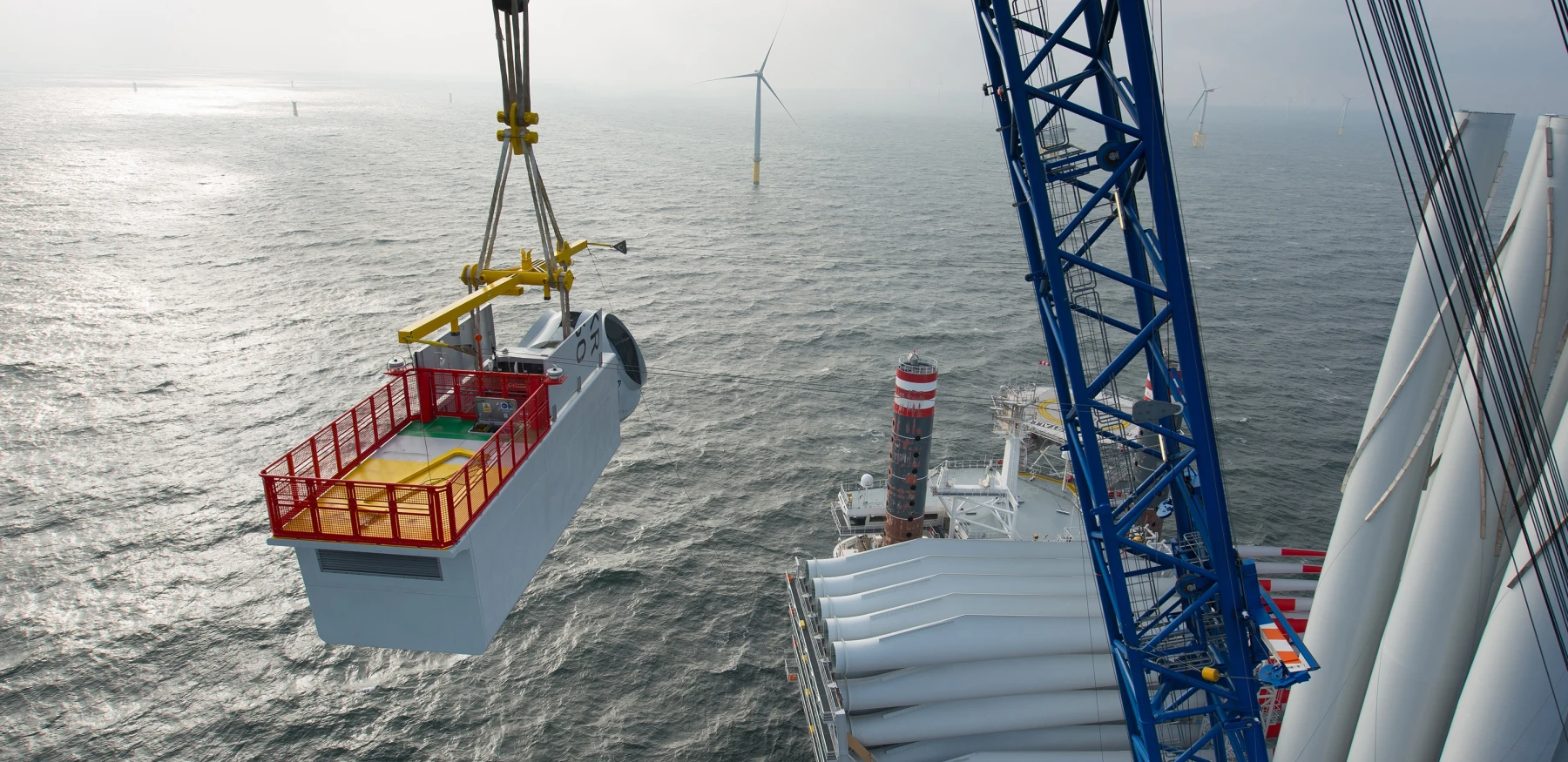
The tasks in the offshore industry are very diverse and can vary depending on the company, project, and your background.
- Job opportunities offshore for skilled workers (vocationally trained)
- Job opportunities offshore for unskilled workers
- Job opportunities offshore for people with higher education
Common to all professional groups is that you must qualify for the offshore industry by taking the mandatory safety courses.
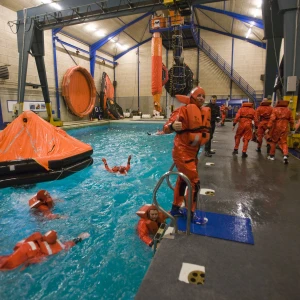
Read more about the safety courses
Sikkerhedskursus
Do you need help?
The Energy Team is ready to help you move forward.
Contact them at:
Tel.: +45 7616 7472
Email: ENERGITEAM@esbjerg.dk

Jobs Offshore for Skilled Workers
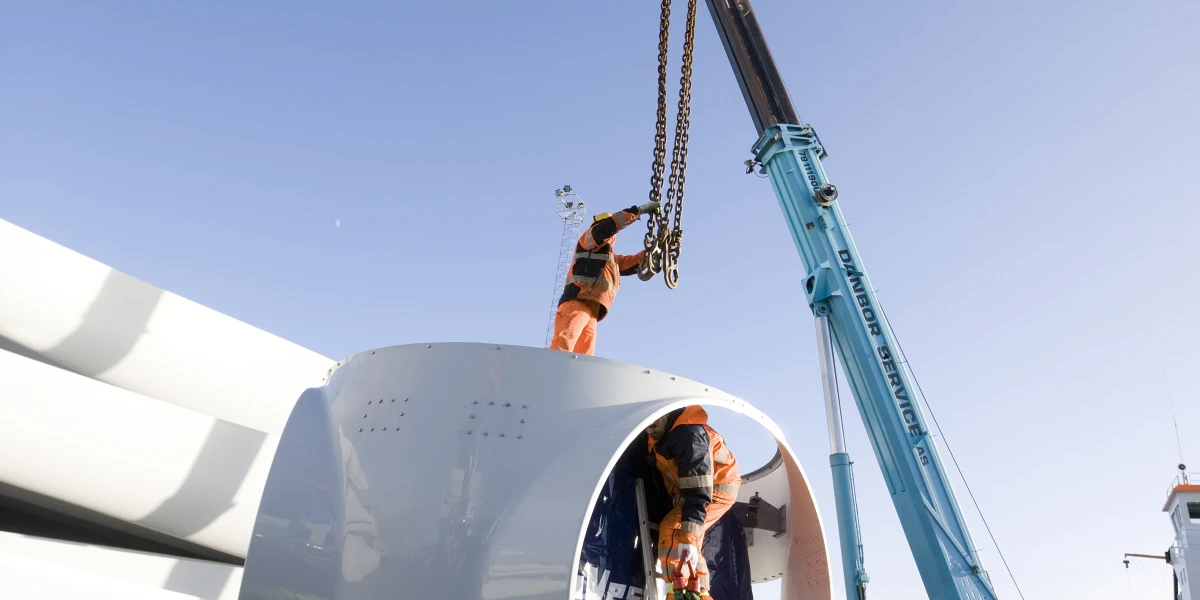
A vocational education as a skilled craftsman is a good starting point for a job offshore. The tasks are very diverse and can vary depending on the company and project.
If you are a blacksmith, electrician, mechanic, or trained in another craft, you can qualify for the offshore industry by taking the mandatory safety courses.
With the high quality requirements in the oil and gas industry, there is, for example, a need for blacksmiths who can weld with great precision and attention to detail. There is also a need for blacksmiths who, alongside their craftsmanship, can climb with ropes on the outside of oil platforms and offshore wind turbines to carry out repairs.
SikkerhedskursusThere is also demand for electricians who can find and fix faults in, for example, wind turbines, as well as mechanics who can ensure the operation of mechanical equipment on both oil platforms and offshore wind turbines.
Scaffolding is a large area on the major energy facilities at sea. Here, a carpenter education can be the right path to become a scaffolder or scaffolding worker.
The possibilities are many if you are flexible and ready to learn something new. With courses, you can build on your professional education, specialize, and get a new, exciting working life in the offshore industry. See the job opportunities offshore with the individual skilled trades below.
Education
Education and Admission Requirements
To start a vocational education basic course, you must always have fulfilled your compulsory education. You have done so when you have completed primary school or received equivalent education.
Read more about your opportunities to take a vocational education in the Education Guide.
Are you already vocationally trained?
You can qualify for a job offshore by taking the mandatory safety course.
Jobs Offshore for Unskilled Workers
If you are unskilled and ready to try something new, there are many opportunities for a job offshore.
Both within oil/gas and offshore wind, there is a need for employees for miscellaneous tasks. This can include help with loading and unloading, crane work on oil platforms, surface treatment, scaffolding, bolt tensioning in wind turbines, and much more.
If you have worked onshore as an unskilled craftsman – blacksmith, mechanic, painter, carpenter, or other craft – you can take upskilling courses so you can perform tasks on oil platforms and in wind farms. It is not a requirement to have experience as a craftsman, but it is important that you are handy.
In the offshore industry, there are also a number of other roles that can be filled by unskilled workers. You can, for example, become a kitchen assistant or steward/stewardess. Here, you will have many of the same tasks as in a similar job onshore, but it is an advantage to have experience in the industry and relevant hygiene certificates.
See more about the opportunities for a job offshore below.
Jobs Offshore for Those with Higher Education
There are many opportunities to get a good foothold in the offshore industry with a higher education.
Professional bachelors such as marine engineers and technical managers offshore are highly sought after among offshore companies. Their practical and theoretical approach to tasks makes them suitable for many functions.
You can work offshore on production platforms or in connection with offshore wind farms. There are also many positions onshore within management, planning, product development, and much more.
Education Esbjerg
Higher Education in Esbjerg
In Esbjerg, you can take higher education at one of the city's six higher education institutions.
Additionally, there are many engineers in the offshore industry, and if you plan or have an engineering education, there are good opportunities to direct it towards the offshore industry. You can, for example, work with the development of new blades for offshore wind turbines, project management on oil and gas platforms, or securing vital electrical systems so they are reliable and easy to maintain.
Common to the positions for candidates with higher education is that they take place in an international environment with challenging technical tasks and rich opportunities to work abroad.
Below you can see some of the higher educations that give you good opportunities for a career and a job offshore.
Want to know more about jobs in offshore? Contact the Energy Team
Lillian Pedersen
Consultant Energy Team