Guide to Getting Started with ESG
ESG
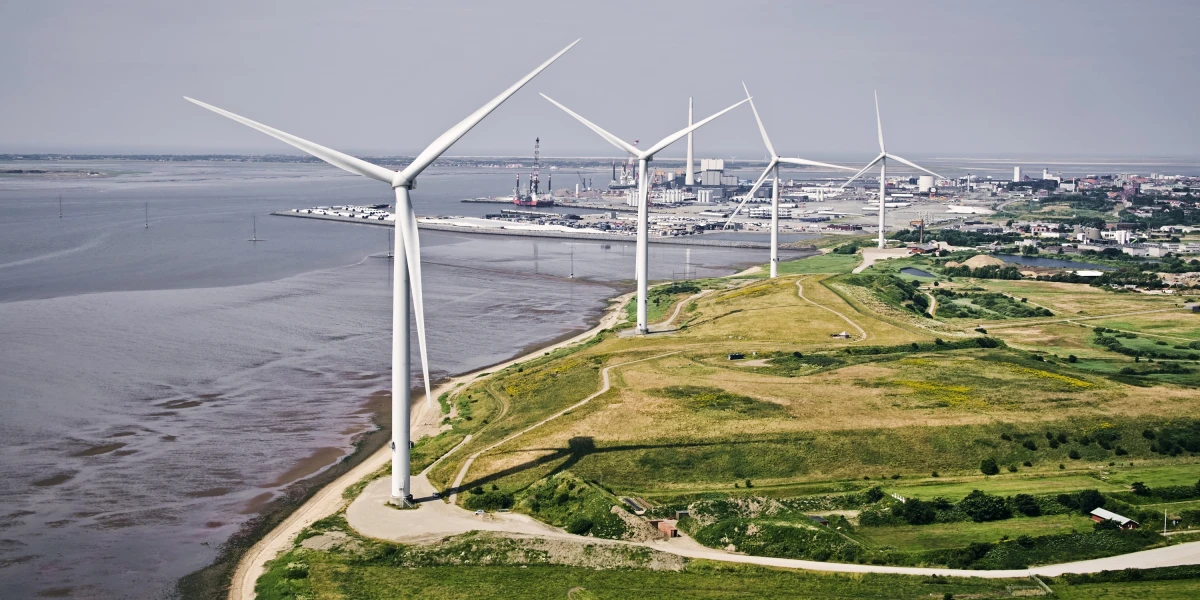
ESG stands for Environmental, Social, and Governance. Photo: Flying October.

Do you also find the new sustainability reporting overwhelming? Or do you think it probably won't affect you as a small company? Then read on here, where we explain why all companies in the future will have to relate to ESG. And why the elephant is not quite as big as it may seem.
You probably already know a little about ESG, which is documentation of your sustainable efforts within the three areas:
- Environment
- Social factors
- Governance.
ESG data are the non-financial data that investors and analysts increasingly demand when assessing a company's ability to create value and long-term growth opportunities.
All large companies in the EU will face special requirements for their reporting from January 2024. Therefore, they increasingly demand ESG data from their subcontractors. As a small or medium-sized company, you will therefore also have to address ESG.

Get Ahead of the Competitors
Although it smells like more bureaucracy, and it can be tempting to handle ESG as a necessary evil on par with the semi-annual VAT reporting, you can actively use ESG to increase your competitiveness.
If you understand your customers' needs and can help them meet their sustainability goals, you may be a step ahead of your competitors. And the good news is that although ESG is comprehensive, it does not have to be an overwhelming task.
Understand the key concepts and be guided through everything from sustainability, CSR, circular economy, and the global goals.
Download ESG-ordbogen her8 Good Tips
VIDEO





What Does It Stand For?
ESG stands for:
Environmental. Environment. Looks at the company's impact on the environment. This includes, among other things, the company's CO2 emissions, energy consumption, waste management, and resource use.
Social. Social conditions. Looks at the company's impact on the society around it. This includes, for example, the company's working conditions, human rights, work environment, diversity, and inclusion.
- Governance. Governance. Looks at the company's management and leadership. Includes, for example, the company's management structure, composition of the board and its independence, ethical guidelines, and risk management.
How Much Do You Know About ESG?
Test din viden her